
Top Tips for Choosing Healthy Plant Clones
- 6 days ago
- 4 min read
Choosing the right plant clones can greatly enhance your gardening or cultivation experience. Whether you are a seasoned grower or a beginner, understanding how to select healthy clones is essential for a successful yield. In this post, we'll explore some top tips for choosing healthy plant clones that will set you up for success.
Understanding Plant Clones
Before diving into the tips, it’s important to understand what plant clones are. Clones are cuttings taken from a parent plant that are nurtured until they develop roots of their own. This method of propagation ensures that the new plants maintain the genetic traits of the parent, offering consistency in growth, yield, and flavor.
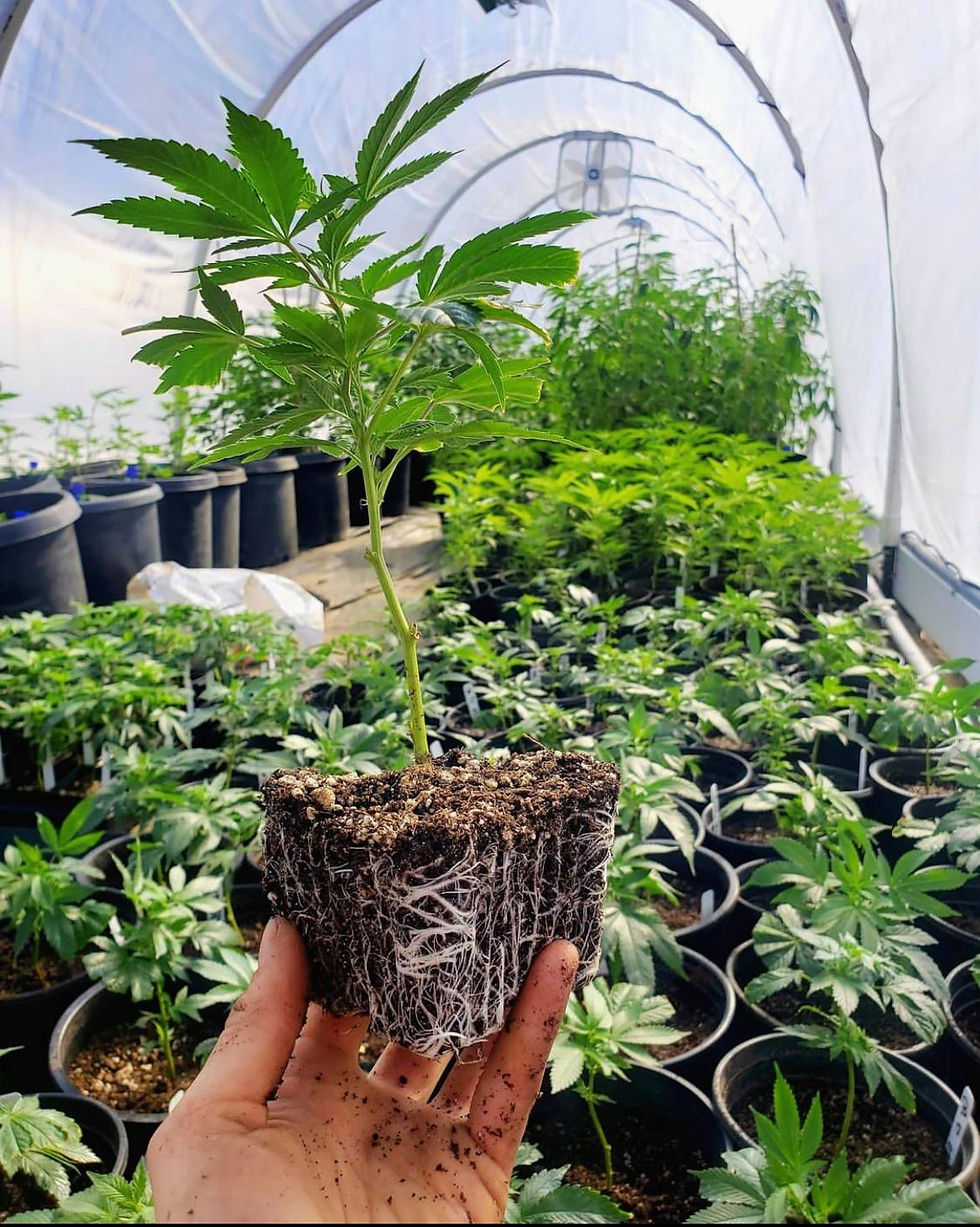
Healthy plant clones can be particularly advantageous because they tend to acclimate better to their growing conditions, leading to healthier overall plants. However, not all clones are created equal, and knowing what to look for can make a significant difference.
What to Look for in Healthy Plant Clones
Choosing healthy plant clones requires careful observation and evaluation of several factors. Here are some key attributes to consider:
1. Root Development
The root system is crucial for the overall health of a plant. Healthy clones should have well-established roots that are white or light tan. Dark or mushy roots may indicate rot, a serious issue that can jeopardize growth. If possible, gently pull the clone out of its container to inspect the roots.

2. Foliage Health
Inspect the leaves of the plant clone. They should appear vibrant and green without any signs of yellowing or browning. Look for any evidence of pests, such as spots or webbing. Healthy foliage will also feel firm to the touch. Avoid any clones that show signs of stress or damage, as this can impact their growth.
3. Stem Condition
The stem should be sturdy and upright. A weak or floppy stem may indicate a lack of nutrients or poor growing conditions. Stem color is also important; it should be rich and vibrant. Signs of brown or black discoloration can signal health issues.
4. Pest and Disease Management
Before making a purchase, always check for pests or diseases. Common signs include discolored leaves, wilting, or any visible bugs. If you notice any of these signs, it might be best to look elsewhere. Your clones should be free of disease, which can quickly spread to your entire garden.
5. Source Reputation
Where you buy your clones can greatly influence their health. It’s essential to choose a reputable source. Do some research online to read reviews or ask fellow growers for recommendations. A trustworthy supplier should provide healthy clones and might offer some guarantees.
If you're in the market for healthy plant clones, you can buy clones online from a reliable source.
Preparing for Your Clones
Once you've chosen healthy plant clones, the next step is to ensure you are prepared for their arrival. Proper preparation can help your clones thrive in their new environment.
1. Suitable Environment
Before your clones arrive, set up an environment that matches their needs. Factors like light, temperature, and humidity are vital. If your clones prefer high humidity, consider using a dome or misting system. On the other hand, if they require a drier climate, ensure proper airflow.
2. Quality Soil or Growth Medium
Selecting the right soil or growth medium is crucial for healthy growth. A well-draining potting mix for clones is often recommended. Look for a blend that contains perlite or vermiculite to improve drainage. This will keep the roots happy and prevent rot.

3. Nutrient Management
Although your clones may not require nutrients immediately, it's wise to have a nutrient plan in place. Start with light feeding after they establish roots. As they grow, monitor their health and adjust nutrient levels to meet their needs.
Common Mistakes to Avoid
Even with the best preparation and selection, mistakes can still happen. Here are some common pitfalls to avoid when working with plant clones:
1. Overwatering
One of the most significant mistakes new growers make is overwatering. Clones require attention, but that doesn’t mean they need to be soaked continuously. Allow the top layer of soil to dry out before watering again. Overwatering can lead to root rot, which is often fatal.
2. Neglecting Light Requirements
Different plants have varying light needs. Ensure that your clones are receiving the right amount of light for their specific variety. If they are not getting enough light, they may stretch out or become leggy, compromising their overall health.
3. Ignoring Environmental Changes
When transitioning clones to a new environment, avoid drastic changes in temperature and humidity. Gradually acclimate them by providing consistent conditions over several days. This will help them adapt better and reduce stress.
Maintaining Healthy Plant Clones
Once your clones have been established, maintaining their health becomes the next priority. Here are some impactful tips for keeping your plant clones thriving:
1. Regular Monitoring
Regularly check on your clones to ensure they are healthy. Look for any changes in leaf color, pest activity, or growth patterns. Early detection can save you time and effort in the long run.
2. Pruning for Growth
As your clones grow, consider pruning them. This encourages bushier growth and can help improve air circulation. Make sure to use clean, sharp tools to avoid transmitting diseases.
3. Fertilization Plans
As mentioned earlier, monitor and adjust your nutrient application based on your clones' growth rates. Utilizing organic fertilizers can also benefit your plants while providing essential nutrients without the risk of chemical burn.
Choosing the Right Time to Transition Clones
Timing can be crucial when moving your clones outdoors or into larger pots. The best time to transition them is when their roots are established, typically 2-3 weeks after you’ve brought them in. Look for signs of vigorous growth, where you may see new leaves or stems.
Signs Your Clones Are Ready for Transition
Strong, healthy root structure visible beneath the pot.
New growth or leaves emerging.
Firm stems that are not floppy or wilting.
If you see these signs, it might be time to move your clones into their new homes.
Final Thoughts
Selecting healthy plant clones is crucial for successful gardening. By keeping an eye on root development, foliage health, and overall conditions, you can make informed decisions that promote growth and yield. Whether you're a seasoned grower or just starting, following these tips can help you make the most of your plant clones. Happy gardening!


Comments