
Understanding the Basics of Plant Propagation
- 5 days ago
- 4 min read
Plant propagation is the process of creating new plants from a variety of sources. This can be done through seeds, cuttings, division, or layering. Whether you are a seasoned gardener or just starting, understanding the basics of plant propagation can enhance your gardening experience, provide you with more plants, and save you money. In this blog post, we’ll take a detailed look at the methods of plant propagation, the benefits, and how you can apply these techniques in your own garden.
What is Plant Propagation?
Plant propagation is essential for anyone interested in gardening. This method allows gardeners to multiply their plants efficiently and effectively. There are two main types of plant propagation: sexual and asexual.
Sexual propagation involves the use of seeds. This is how most plants reproduce in nature. Seeds develop from the fertilization of male and female reproductive cells. The germination of seeds can be unpredictable, and this method may not always replicate the traits of the parent plant.
Asexual propagation, on the other hand, involves creating a new plant from the existing one without seeds. This can be done through methods like cuttings, grafts, or divisions. Asexual propagation is generally quicker and ensures that the new plants maintain genetic material identical to the parent plant.
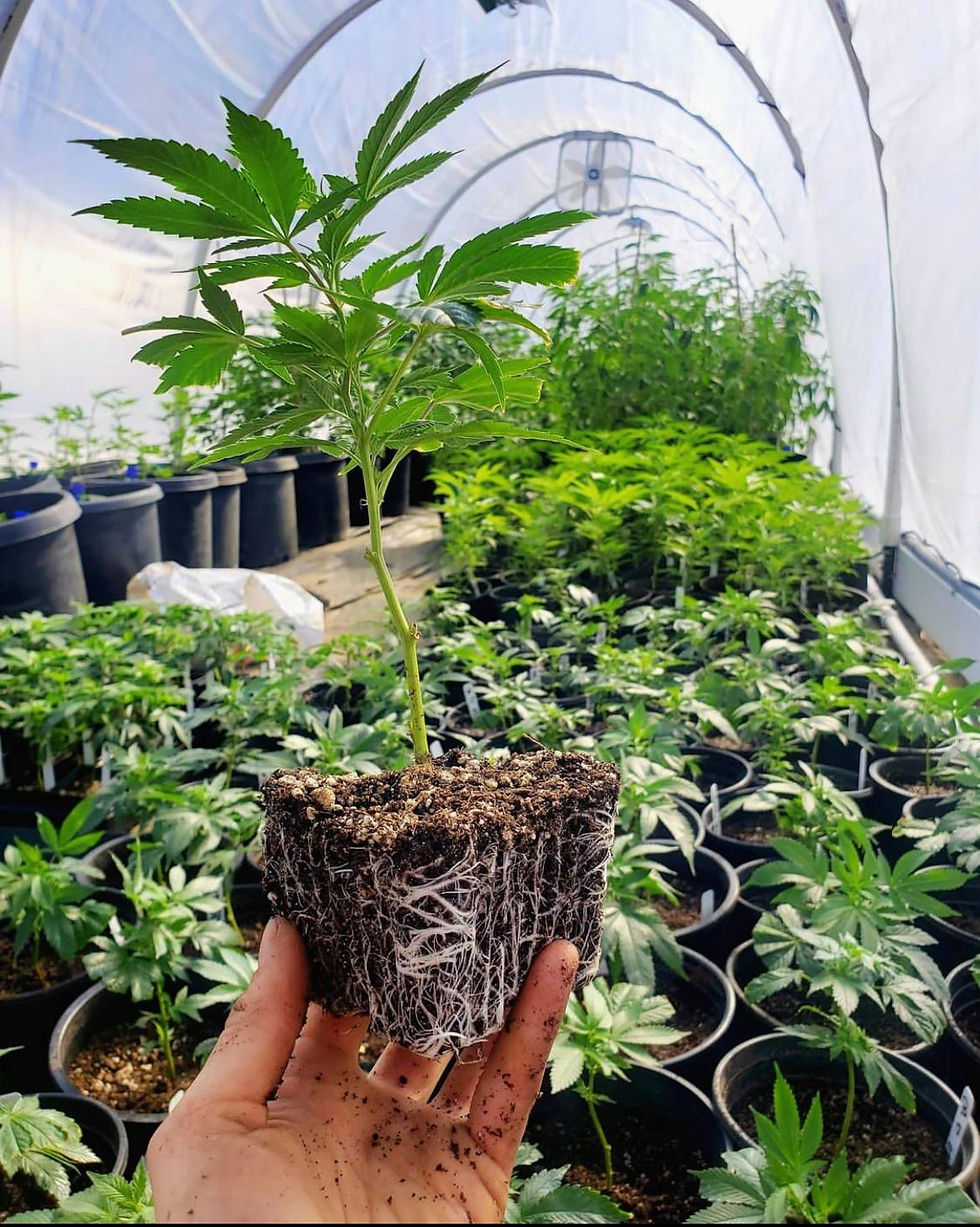
Techniques of Plant Propagation
Understanding the different techniques of plant propagation is crucial to successfully increasing your plants. Here are some common methods:
Seed Propagation
Seed propagation is one of the most common methods used for growing a variety of plants. It involves the following steps:
Selecting the Seeds: Choose high-quality, viable seeds for the plant species you want to grow. Always check for expiration dates on seed packets.
Preparing the Soil: Use a suitable potting mix that retains moisture but allows for drainage.
Planting the Seeds: Plant the seeds according to the depth required, typically based on their size. Smaller seeds should be sown shallower.
Watering: Gently water the planted seeds. Ensure the soil remains moist but not soaked.
Providing Adequate Light: Place the seeds in a location that receives enough sunlight or use grow lights.
The germination process can take days to weeks, depending on the type of seed. Patience is key!

Cuttings
Vegetative propagation through cuttings is a popular method that works well for many plant species. Here's how to do it:
Choosing the Cutting: Select a healthy stem, leaf, or root from the parent plant.
Preparing the Cutting: Cut the selected part with a sharp, sterile blade. Remove any excess leaves, leaving a few at the top.
Placing the Cutting: Insert the cutting into a pot of moistened potting mix, making sure that it is adequately supported.
Watering and Covering: Water the cutting thoroughly and create a mini greenhouse effect by covering it with plastic to retain humidity.
Rooting Conditions: Place the pot in a warm, well-lit area, avoiding direct sunlight.
Most cuttings can develop roots in a few weeks. Some plants, like succulents, require special care, so it’s essential to research the specific type.
Layering
Layering is a technique where a part of the parent plant is encouraged to root while still attached to the original plant. This process can take time but is highly effective for certain species.
Simple Layering works best with flexible stems. Bend a low branch to the ground and bury a section in soil, leaving the tip exposed. Roots will develop at the buried part.
Mound Layering involves piling soil around the base of a plant to promote root growth at multiple points.
Air Layering, another type, requires making an incision in the stem and wrapping it with moist sphagnum moss, encased in plastic to retain moisture.
Division
Division is suitable for perennial plants that grow in clumps and can be easily separated. To divide plants:
Select the Plant: Choose a healthy, mature plant to divide.
Prepare Your Tools: Use a sharp spade or garden fork to minimize damage to roots.
Digging Up the Plant: Gently remove the plant from the soil.
Separating the Clumps: Carefully pull apart the root ball into smaller sections, ensuring each division has roots and foliage.
Replanting: Place the divisions in fresh soil and water well.
Dividing plants helps rejuvenate them, encourages growth, and can prevent overcrowding.

Benefits of Plant Propagation
There are numerous advantages to practicing plant propagation that go beyond simply growing more plants. Here are some benefits:
Cost-Effective: Propagating your plants can save you money in the long run. Instead of purchasing new plants, you can create them from your existing collection.
Customization: By propagating plants, you can pick specific features and traits that you want. This is particularly useful for growers of fruits and flowers.
Conservation: Propagation helps preserve plant species. Many rare or endangered plants can thrive in your space with the right care.
Learning Experience: Engaging in plant propagation offers a hands-on learning experience about plant biology and the life cycle.
Timing and Conditions for Successful Propagation
Timing is essential for plant propagation. Different plants have optimal seasons for propagation, which can vary based on the species. For instance, many plants are propagated in spring when they are actively growing. Temperature and humidity also play vital roles.
Providing a suitable environment with proper light, warmth, and moisture will significantly increase the chances of successful propagation.
Troubleshooting Common Issues
As with any gardening endeavor, problems may arise during the propagation process. Here are some common issues and how to address them:
Failure to Root: If cuttings or divisions do not root, ensure you are using a clean and sharp tool. The soil must be moist but not too wet as to encourage rot.
Pests or Disease: Keep an eye out for pests on your plants while propagating. Treat any infestations promptly with organic solutions.
Lack of Growth: If your propagated plants seem stagnant, check the light level and ensure they are getting enough nutrients.
Final Thoughts on Plant Propagation
In essence, understanding the basics of plant propagation offers an exciting opportunity for any plant enthusiast. Each method has its unique merits and challenges, but with practice, you can become a skilled propagator.
Getting your hands dirty and nurturing new plants can bring joy and satisfaction. Whether you’re growing houseplants, vegetables, or seeking special cannabis clones, the skills you develop in propagation can elevate your gardening game.
Embrace the experience and find what works best for you—after all, every garden is a unique reflection of its caretaker. Happy gardening!


Comments